
May 9, 2026
How to choose a shutter profile (without regretting it)
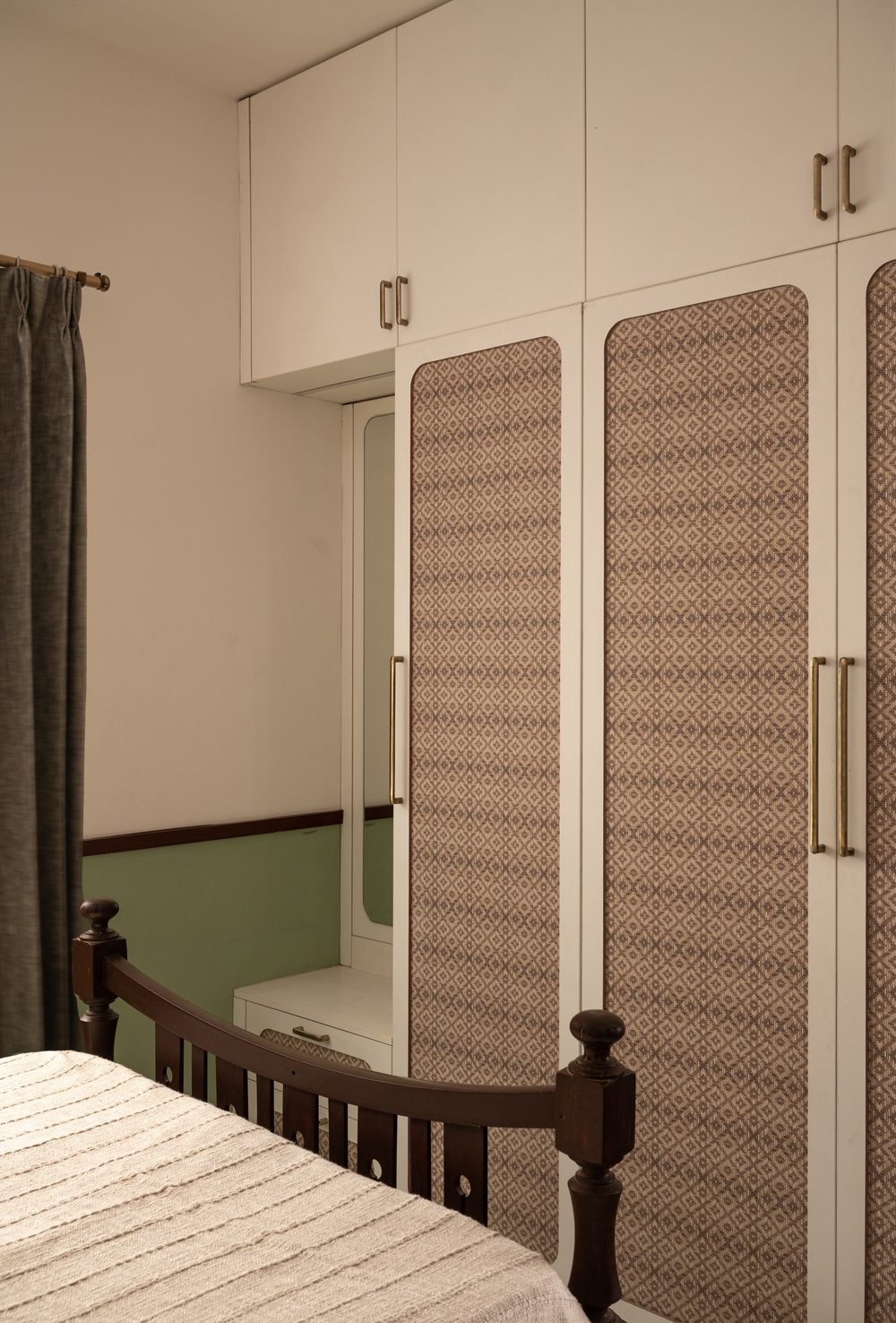
Colour gets all the attention, but profile, the shape machined into the shutter face, is what gives a room its accent. A sage green kitchen reads Scandinavian in flat matte, heritage in shaker, and art-deco in deep flutes. Same colour, three different homes. Here's the shortcut we walk clients through.
Start from the room's architecture
High ceilings and mouldings ask for routed classics: shaker and step-routed panels continue the wall language. Clean plastered boxes with flush doors want flat matte or micro-chamfer; ornament would argue with the architecture.
Use texture where light moves
Fluted profiles earn their keep where daylight rakes across them: an island face, a tall wardrobe wall opposite a window. In a dim corridor they flatten into stripes. Deep-groove flutes are bold; micro-flutes whisper.
Arches are furniture, not wallpaper
Arch panels turn a wardrobe into a piece. Use them on the one wall you want remembered (a dressing unit, a crockery display) and keep neighbouring shutters plain so the arch stays special.
The mixing rule
- One hero, one supporting act. Fluted talls + plain bases is the classic pairing.
- Repeat the radius. If you use arches, echo the curve in handles or mirrors.
- Mirror inserts count as texture. Bronze mirror + plain PU needs nothing else.
- Keep one shade across profiles. Colour unifies what shapes differentiate.
Profiles are architecture at furniture scale. Choose them the way you'd choose a facade: from across the room, not from the sample chip.
Still torn? Order two sample shutters, not chips. A profile only makes sense at full scale, in your light. We courier them anywhere in Karnataka.